
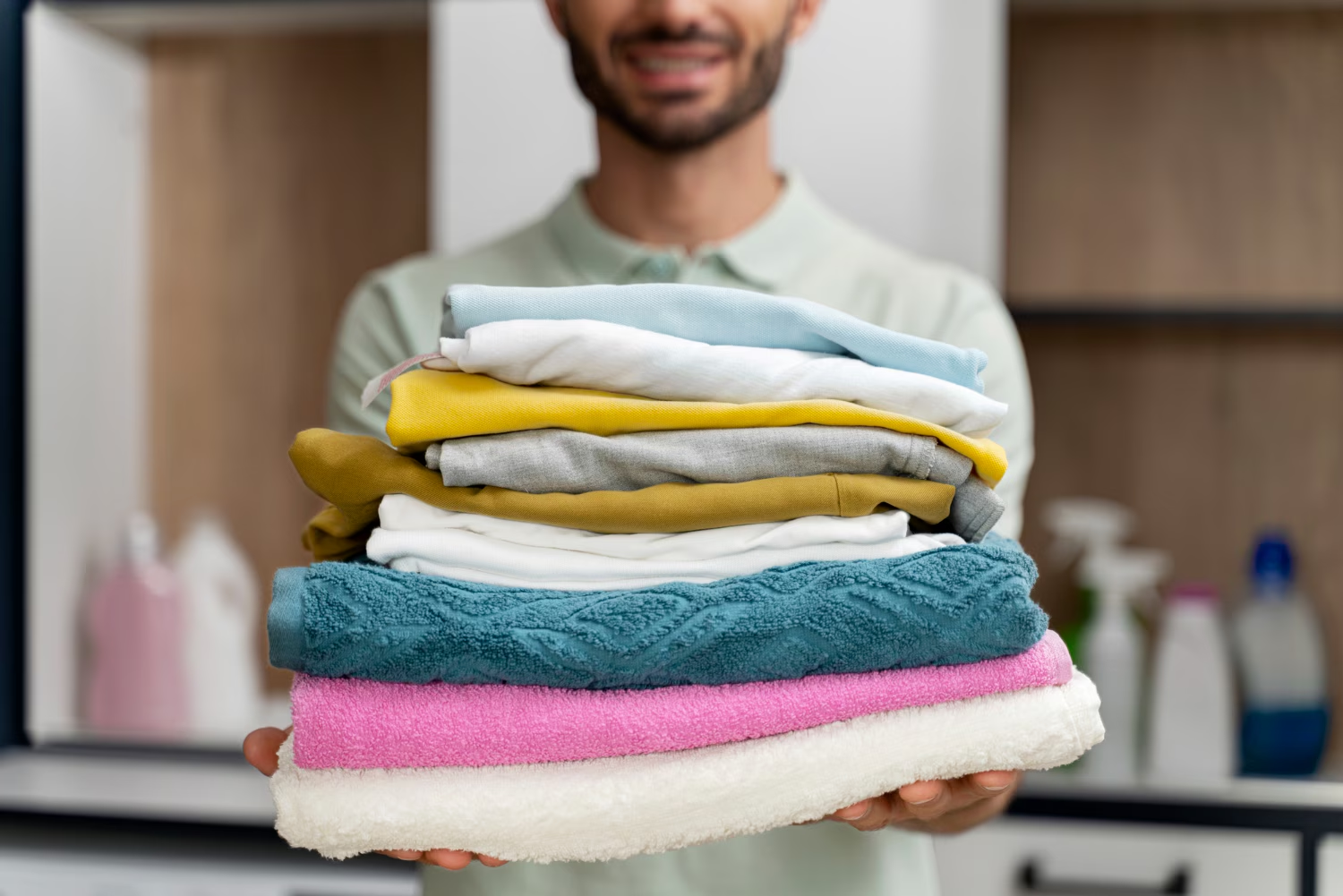
Serving a stunning OOTD is a daily sartorial dream, but for that, your clothes need to look their best too. This means you need special care for your fabric as you wash it, otherwise it may come out faded, stretched, wrinkled, or worn out. Just as you carefully choose clothes by aligning with your personal style or checking Pinterest inspo boards, you also need to pay attention to how you wash, dry, and store the clothes.
Nishant Tripathi, founder and CEO of DhobiLite, an organised laundry and garment care brand, shared with HT Lifestyle some common garment-care mistakes that may quietly damage clothes and highlighted some practical ways to keep them looking fresh for longer. He then weighed in with an industry observation that most garment damage is not caused by regular wear but by improper maintenance. Colour fading, fabric shrinkage, loss of shape, unpleasant odours, and weakened fibres are often the result of incorrect laundry practices rather than the quality of the garment itself. This means garment care is not solely about cleanliness; it is equally about preserving fabric quality, improving hygiene and extending the usable life of clothing. He shared an extensive nine-point guide on how to wash clothes properly, store them and more:
Because fashion, in the age of social media, has become cyclical, with styles frequently returning after falling out of trend, preserving a wardrobe is important.
He said, “Consumers invest significant time and money in building their wardrobes, but simple mistakes in washing, drying and storing clothes can reduce the lifespan of fabrics, affect their appearance and lead to unnecessary replacement costs. He said, “Simple habits such as following care labels, washing garments appropriately, drying them thoroughly, and storing them correctly can significantly improve garment longevity.
1. Understand the fabric before washing
Every fabric has unique characteristics and requires specific care. Cotton, linen, silk, wool, denim and synthetic blends respond differently to water temperature, detergents and drying methods. The care label attached to every garment provides essential information on washing, drying and ironing. Understanding fabric prevents risks of shrinkage, colour bleeding and unnecessary fabric damage. Selecting the correct water temperature is one of the simplest ways to preserve the colour, shape and durability of garments. Washing clothes at temperatures that are too high can cause shrinkage, colour fading and unnecessary wear, while the right temperature helps fabrics retain their quality for longer. Before washing, always check the garment’s care label. Following the recommended temperature improves cleaning performance and extends the life of clothes, and helps maintain their original appearance. As a general rule: Best suited for silk, wool, denim and other delicate fabrics. Cold water helps minimise colour bleeding, prevents shrinkage and protects delicate fibres. Recommended for cotton, linen and synthetic blends. Warm water effectively removes everyday dirt, sweat and light stains while remaining gentle on most daily-wear fabrics. Excess detergent leaves residue on fabric, making garments feel stiff and trapping dirt and odours over time. It can also reduce the efficiency of washing machines. Sorting laundry only by colour is sufficient. Heavy garments such as denim and towels should ideally be washed separately from lightweight fabrics like shirts and delicate clothing. Washing garments of different weights together increases friction, causing pilling, stretching, and premature wear. Delicate fabrics should be washed using gentle cycles or hand-washed wherever recommended. Not every garment requires washing after a single use. Frequent washing exposes fabrics to repeated mechanical action, detergent chemicals, and water, all of which gradually weaken fibres. Clothing that has not been exposed to excessive sweat or stains may simply require airing before its next use. Leaving clothes inside the washing machine after a wash cycle encourages bacterial growth and unpleasant odours. Similarly, storing garments before they are completely dry can result in mildew and fungal growth. Whenever possible, garments should be dried in a well-ventilated area with adequate air circulation. During the monsoon, airflow becomes even more important than direct sunlight. Heavy garments such as towels, denim and jackets require additional drying time before being folded or stored. Wardrobes should remain clean, dry and well ventilated. Clothes should not be packed tightly, as restricted airflow can encourage moisture accumulation, especially during humid weather. Structured garments such as blazers should be hung on sturdy hangers, while knitwear is best folded to prevent stretching. Seasonal clothing should be cleaned thoroughly before long-term storage to avoid stains becoming permanent over time. Professional garment-care services may be appropriate for delicate fabrics that require specialised cleaning techniques to preserve colour, texture and shape. Garment care also depends on the condition of the washing machine. Detergent residue, lint and moisture can accumulate inside the drum, detergent tray and rubber seals, affecting washing performance and contributing to unpleasant odours. Routine maintenance and periodic cleaning of the machine help improve hygiene and ensure better cleaning results.
Formal wear, silk sarees, embroidered outfits, woollens and designer garments often require specialised care due to the nature of their fabrics and construction.
Using the recommended quantity of detergent according to the load size and water hardness ensures effective cleaning while protecting the fabric. These garments should always be maintained according to the manufacturer’s recommendations.
