
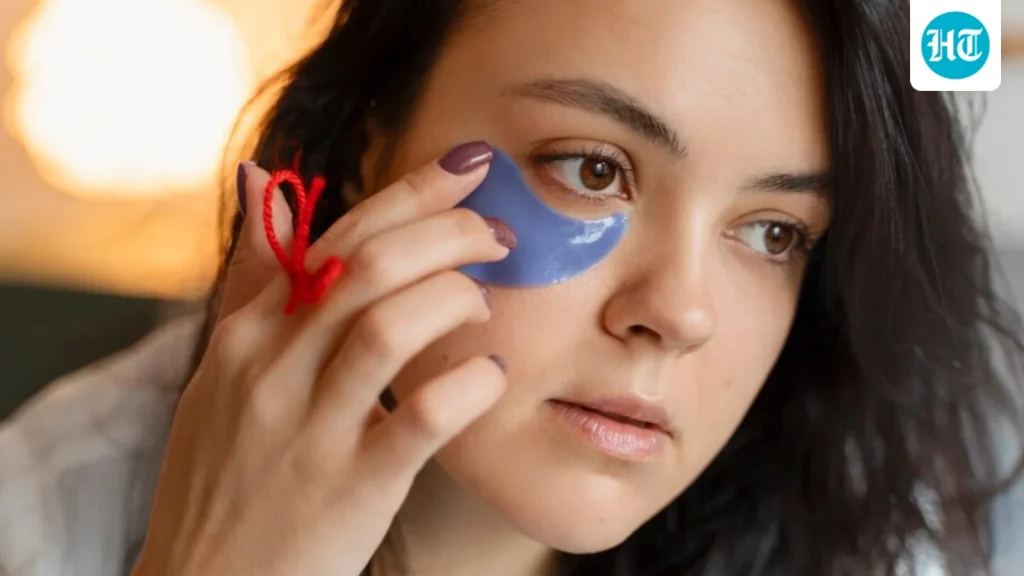
From silk bonnets and mouth tape to under-eye patches and heavy layers of slugging ointment, the ‘morning shed’ has dominated social media for a while now. Viewers are captivated by videos showing people peeling off an array of overnight beauty treatments to reveal so-called flawless skin. Also read | Eating dirt to poop mask: Most bizarre beauty hacks that took over social media
Event Context
However, behind the aesthetically pleasing beauty routines lies a critical medical distinction. In an interview with HT Lifestyle, Dr Noopur Jain, founder and consultant dermatologist at Skinzest in Gurgaon, cautioned against letting social media hacks replace clinical reality.
“The ‘morning shed’ trend has become very popular on social media… even though the trend looks nice, it is important to distinguish between things that are proven to work and things that are just beauty tricks,” Dr Jain said.
While layering dozens of products might seem productive, it often works against the skin’s biology, she highlighted. During sleep, the skin undergoes a natural repair cycle, but it also experiences transepidermal water loss, leaving it more vulnerable to irritation.
“The skin has its natural schedule. At night, the skin loses water. This makes the skin more receptive to skincare ingredients. It also makes the skin more likely to get dry or irritated. That is why a good nighttime routine should focus on repairing the skin barrier by avoiding excessive product use,” Dr Jain shared.
Rather than focusing on product volume, she said that true efficacy comes down to ingredient quality and application: “How well a nighttime routine works depends on choosing the right ingredients and using them correctly, rather than on how many products are used. A strong skin barrier can better handle ingredients. It heals faster and looks better over time than skin that is always getting too much treatment.”
Key ingredients that support overnight recovery include ceramides to repair and reinforce the lipid barrier, glycerin and hyaluronic acid to draw in moisture, and properly used retinoids to encourage cell renewal, as per Dr Jain. Also read | What is K-beauty slugging skincare trend? Benefits, cautions, tips to “slug” your skin
She added that one of the greatest risks of complex overnight routines is overwhelming the skin with aggressive active ingredients. Over-treating can trigger inflammation, heightened sensitivity, and severe breakouts.
“One big mistake I see in my work is people using many active ingredients at night. This can cause problems. It can make the skin more inflamed and more sensitive. Can cause breakouts,” Dr Jain said.
When the skin is over-processed, she advocated for a complete reset: “For people who have what I call ‘barrier fatigue’, taking a break from skincare can be very helpful. On some nights, using a gentle cleanser and a good moisturiser helps the skin recover without causing further irritation.”
Similarly, she shared that heavy occlusive techniques like ‘slugging’ — applying a thick layer of petroleum jelly or heavy ointment — are not universally beneficial. “Methods like slugging can help the skin hold in moisture. Occlusion is not good for everyone. It can worsen acne or other skin problems in people who already have them. Personal care is very important,” Dr Jain said.
source
Skincare doesn’t stop at topicals, according to Dr Jain. Internal physiological factors and basic hygiene play a far greater role in skin health than any viral mask or patch.
Beyond creams and serums, deep sleep serves as one of the most powerful natural remedies available. During deep sleep cycles, your skin actively produces collagen, reduces systemic inflammation, and repairs daily damage. Conversely, chronic sleep deprivation raises stress hormones in the body, which can significantly accelerate the skin’s ageing process, Dr Jain stressed. Also read | Nighttime skincare routine that is a must: Goodbye tired, dull skin, wake up to healthier, glowing skin
“Healthy skin is not about the products you use. Getting sleep is also very important. When you sleep deeply, your skin makes collagen. It also reduces inflammation and helps the skin heal. Not getting sleep raises stress hormones. That can make your skin age faster,” she said.
At the same time, minor environmental habits make a massive difference. According to Dr Jain, pillowcases, for instance, are often overlooked culprits that quietly accumulate sweat, natural oils, hair products, dead skin cells, and soap residue over time — all of which can directly trigger acne and persistent skin irritation. Additionally, making a simple adjustment like sleeping with your head slightly elevated can significantly reduce fluid retention, keeping morning swelling and puffiness at bay.
“Small things you do every day also help. People often forget about how clean their pillowcases are. Pillowcases collect sweat, oil, hair products, dead skin, and soap. These can cause acne and skin problems. Also, sleeping with your head slightly elevated can help reduce swelling and puffiness in the morning,” Dr Jain said.
She added that glowing skin is not a product of social media trends, but of supporting the body’s baseline repair mechanisms: “In the end, less inflammation now means slower ageing. The best nighttime skincare routine is not the longest or the most popular. It is the one that builds up the skin barrier, reduces inflammation, and works with the skin’s natural way of fixing itself at night.”
Note to readers: This article is for informational purposes only and not a substitute for professional medical advice. Always seek the advice of your doctor with any questions about a medical condition.
