
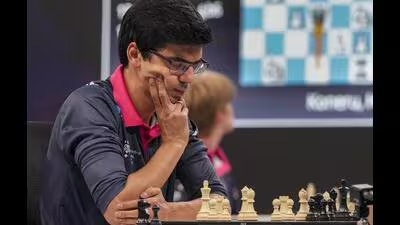
It has taken nearly 40 years since Viswanathan Anand first earned the title for India in 1988 to reach a century of Grandmasters (GMs). The initial years were a slow crawl; by 1997, India had three GMs, and in the next decade the number rose to 23 (2010). By 2019, with 65 GMs, India’s chess revolution gathered pace.
These pioneers, however, opened the doors for the next generation. But even that didn’t prepare the world for the surge that came after the pandemic.
7 R Praggnanandhaa, world No. 12 Arjun Erigaisi, and world No. 19 Nihal Sarin. The average rating of India’s top 10 is now 2706. A player with an ELO rating of 2700 is widely considered a Super GM, which truly indicates India’s current strength on the chessboard. The challenge for India today is different from what Anand faced in 1988. Magnus Carlsen has ruled the chess world since 2013; so India’s first quest must be to hone a Grandmaster who can dominate like he did, and then nurture a dynasty that rivals the Russian masters who reigned for most of the 20th century.
The internet provided Indian chess players with a somewhat level playing field — access to chess literature, exposure to some of the best players in the world on the phone or computer, and early scouting opportunities. For many in the chess world, Anand remains synonymous with Indian chess, but every generation needs its own heroes. It is no longer about reaching the top but about being the best.
Today’s crop of young chess players has found them in classical world champion D Gukesh, world No.
