
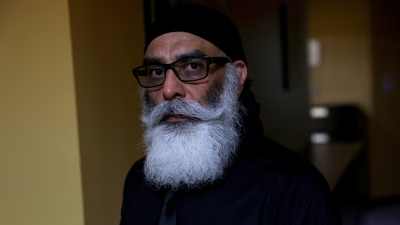
India on Tuesday rejected the case filed by Khalistani separatist Gurpatwant Singh Pannun in the US against National Security Adviser Ajit Doval and the government, describing such moves as “fabricated and malicious attacks” that will not stand the test of legal processes.
External affairs ministry spokesperson Randhir Jaiswal dismissed the case filed by Pannun when he was asked about the matter at a regular media briefing. He also made it clear that all official communications related to the issue will have to be routed through India’s law ministry.
At the same time, the Indian side has officially taken up the “frivolous nature” of Pannun’s lawsuit with US authorities, people familiar with the matter said on condition of anonymity. The people noted that the NSA enjoys diplomatic immunity and said the legal moves by Pannun are aimed at keeping the Khalistan issue in the limelight and have no legal merit, they said. “We reject the fabricated and malicious attacks on our high officials, as also we reject the frivolous lawsuits,” he said. “Requests for serving of judicial documents in India can only be routed through India’s designated central authority, that is the ministry of law and justice.”
The US state department transmitted a civil lawsuit filed by Pannun against the Indian government to the Indian embassy in Washington through diplomatic channels, while a federal court in New York separately cleared the way for the separatist to serve summonses on Doval and former Research and Analysis Wing (RAW) chief Samant Goel through Indian courts. However, neither amounts to a judicial finding on the allegations, and the latest court order does not establish any liability on the part of the Indian government or the two officials. The ruling followed Pannun’s difficulties in serving Doval personally during his visits to the US. Pannun claimed his attempts to route the documents through India’s law ministry, also failed. The law ministry returned the documents with a brief communication stating that the summons did not fall within relevant categories. Pannun argued this amounted to India’s determination that the Hague Convention didn’t apply, freeing him to seek alternative methods of service.
The two developments mark separate steps in the process of formally notifying the defendants in the civil suit, which alleges that Indian officials conspired to assassinate Pannun at his New York home in 2023.
He made three attempts to serve the summons to the NSA, but security personnel prevented process servers from doing so, according to court filings. The US judge rejected this contention and said the Indian authority’s response was too ambiguous to establish it had made a legal determination on The Hague Convention’s applicability.
