
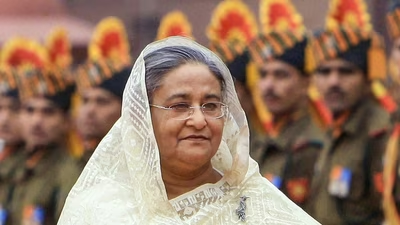
Bangladesh swiftly rejected this week a request for a new passport from deposed Prime Minister Sheikh Hasina, 78, who plans to return home in December from self-imposed exile in India.
A ban since her government’s fall kept Hasina’s Awami League party from competing in the last general election in February, bringing the Bangladesh Nationalist Party to power. Tarique Rahman, the son of Hasina’s biggest political rival Khaleda Zia, is now prime minister. Rahman himself lived in self-imposed exile in London when Hasina was in power. Months after Hasina fled, an interim government that took office revoked her passport and national identity document.
On November 9, her lawyers requested new ones from the Bangladesh embassy in New Delhi, the Indian capital. The return of Hasina, still a deeply polarising figure in the mainly Muslim country of more than 175 million, could rally supporters while confronting the government with the thorny question of how to deal with a former prime minister sentenced to death.
The Bangladesh government said it “doesn’t provide passport to a terrorist” and urged New Delhi to hand her over, citing an extradition treaty with India. “Should we treat her like an ordinary commercial traveller and tell her to come and visit her in-laws’ residence?” asked Humaiun Kobir, the state minister for foreign affairs. India’s foreign ministry did not respond to a request for comment, but in April it said it was examining Bangladesh’s extradition request, citing a desire to engage constructively with the new government and further strengthen ties.
