
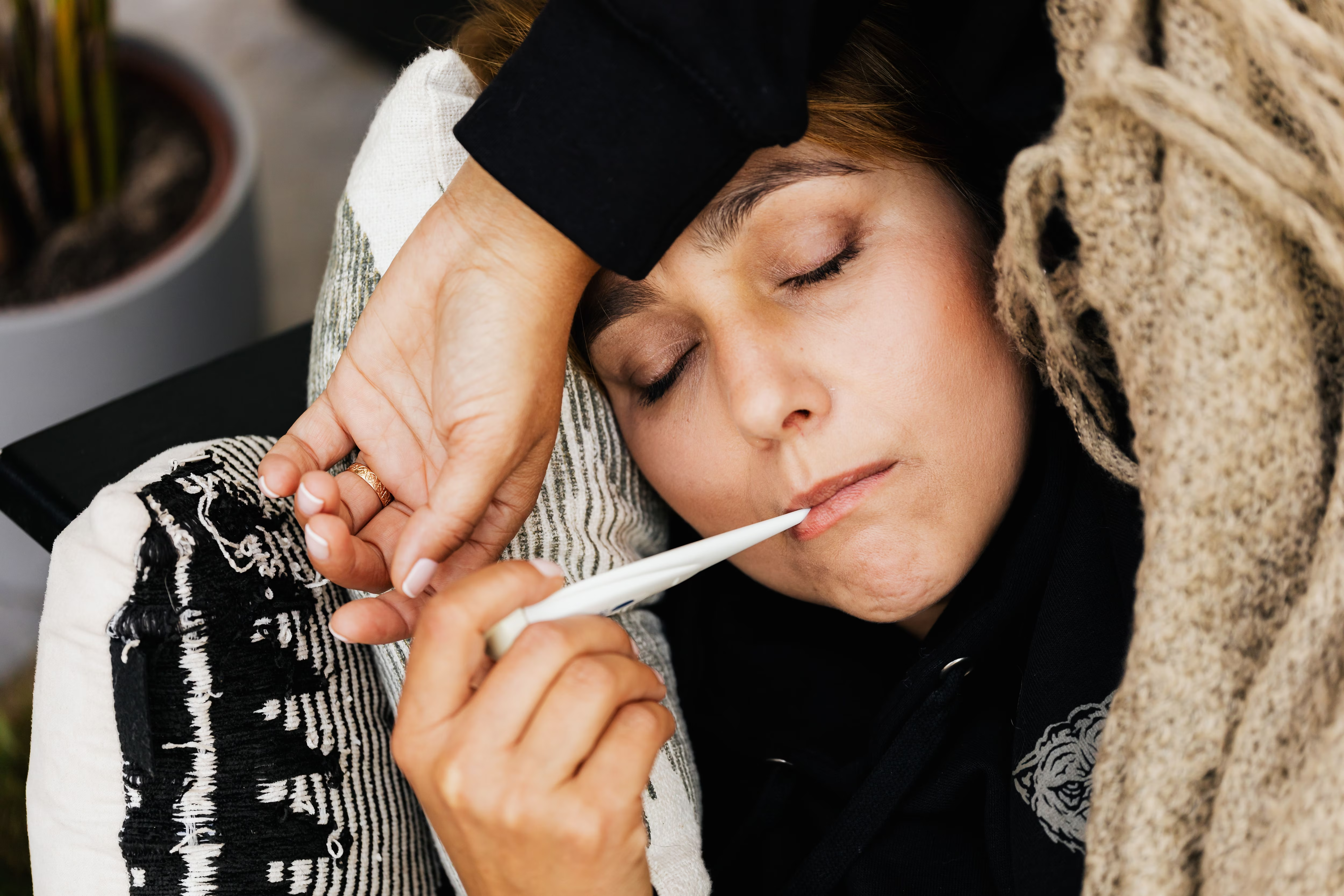
Dengue can be even more dangerous when it strikes a second time. This mosquito-borne viral infection causes fever, headaches, and body aches and can cause platelet counts to drop. Even after recovering from dengue, you need to continue taking precautions, as a previous infection does not protect against all types of viruses. Preventing mosquito bites and recognising warning signs are essential.
Since all four types have been reported in India, people who have recovered from one infection remain vulnerable to another caused by a different serotype. Dr Harshad Limaye, director and senior consultant in infectious disease and internal medicine at Nanavati Max Super Speciality Hospital, Mumbai, discussed the possibility of getting dengue a second time. Having dengue once does not give you complete immunity against the disease. There is a substantial increase in getting dengue a second time, as it is linked to how antibodies from the first infection respond to a different type of dengue virus. Instead, they help the virus enter immune cells more easily, increasing the viral load in the body. This is a unique process called antibody-dependent enhancement (ADE). Severe dengue can cause blood vessels to leak plasma, the liquid component of blood. Fluid may then accumulate around the lungs or in the abdominal cavity. Dr Limaye elaborated, “The immune system reaction causes the blood vessels to leak, leading to fluid accumulation in the lungs and abdominal cavity, which can progress to dengue shock syndrome (DSS). It is a severe condition in which plasma leakage causes circulatory failure, resulting in inadequate blood flow and oxygen delivery to vital organs. Many associate a falling fever with recovery, but a drop in temperature does not mean the danger has passed. Dr Limaye cautioned that even after the fever subsides, one still needs to be cautious. Be alert to symptoms such as persistent vomiting, abdominal pain, rapid breathing, bleeding from the gums or nose, marked fatigue or restlessness, reduced urination or signs of dehydration. Constant monitoring when the fever subsides is essential. The doctor warned that dengue is unpredictable and symptoms can worsen rapidly. The expert’s prevention advice includes removing stagnant water in and around homes, offices and schools, where dengue-carrying mosquitoes can breed. Similarly, construction sites need attention, as containers and uneven ground can collect water unnoticed. Proper drainage and regular checks can reduce these breeding sites. Alongside mosquito control measures, you should see a doctor immediately if you experience symptoms suggestive of dengue. Note to readers: This article is for informational purposes only and not a substitute for professional medical advice. Always seek the advice of your doctor with any questions about a medical condition.
Dr Limaye revealed that the dengue virus has four distinct serotypes: DENV-1, DENV-2, DENV-3, and DENV-4.
“A second infection can be more severe and in some cases, even life-threatening,” he said. “While infection with one type induces protective immunity against that specific serotype, it does not confer long-term protection against the other three serotypes,” he said. He said, “During a second infection with a different type, the antibodies developed against the first type can attach to the virus, but they cannot destroy it.
This means the immune response you developed from the previous infection can actually lead to more severe illness . But it is also important to note that a second infection does not automatically mean a person will develop severe dengue.
