
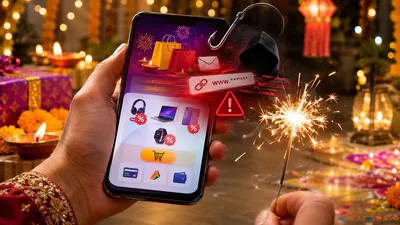
With Diwali shopping in full swing, the Press Information Bureau (PIB) has warned people against falling for fake festive discounts and online shopping scams. The advisory highlights how fraudsters can use attractive offers and phishing links to steal personal and financial information.
Here’s the company that handed them out to employees ) The awareness campaign uses a phuljhari, a popular Diwali sparkler, to illustrate how seemingly attractive online offers can conceal cyber fraud. The poster carries the message, “Some links spark joy. Some spark cyber fraud”, comparing the excitement of festive celebrations with the dangers of clicking on suspicious links. It also warns that scammers use fake deals to lure shoppers into fraudulent transactions, potentially putting their digital safety at risk.
Taking to X, PIB Fact Check shared a post titled “The Phuljhari of Phishing”, drawing attention to the risks associated with fraudulent shopping deals during the festive season. (Also read: Those Diwali suitcase gifts all over your feed?
Sharing the poster, PIB Fact Check wrote, “Festive offers may look tempting, but beware of the hidden sparks of cyber fraud! Scammers often use fake discounts, festive deals and phishing links to steal your personal and financial information. Always verify the authenticity of a website or offer before clicking on links or making payments. This #Diwali, let your celebrations sparkle, not your personal data fall into the wrong hands. Think before you click. Verify before you pay. Take a look here at the post: The advisory urges shoppers to exercise caution while browsing festive offers, particularly those shared through unfamiliar websites, messages or social media links. Fraudsters may create fake shopping websites or circulate misleading discount offers to trick users into sharing sensitive details. In some cases, clicking on a malicious link can direct shoppers to fraudulent payment pages designed to capture banking information. (Also read: IITian in Bengaluru recalls how delivery agent lit up her lonely Diwali: ‘Home alone in a big society…’ ) Before making a purchase, consumers should check the website’s authenticity, avoid suspicious links and refrain from sharing passwords, OTPs or banking credentials.
Those who suspect they have fallen victim to online financial fraud can report the incident through the National Cyber Crime Reporting Portal or call the cybercrime helpline at 1930, according to the Ministry of Home Affairs .
