
Memoirs written by policymakers, economists, diplomats and politicians are usually not my cup of tea, but here is one with a difference.
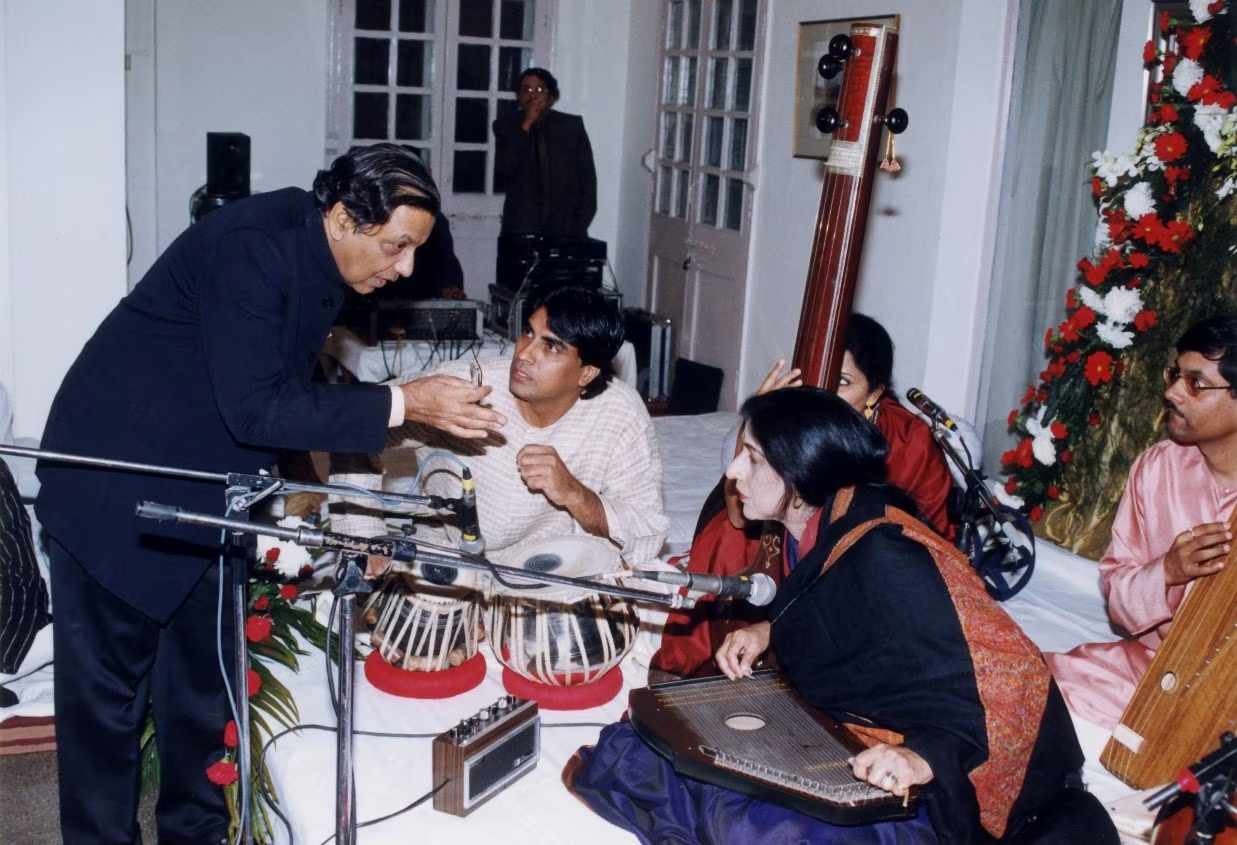
First, NK Singh is all of these rolled into one. What is exceptional about this book is that it is not about any of these roles. Instead, we see NK as a photographer, music connoisseur, garden- and rose-lover, and aficionado of Japan. One is left to wonder, how many NKs are there? Being exposed in his childhood to the sounds of classical music, as a clandestine listener, while his three young sisters were being trained at home, led to a kind of unconscious love for it. This was nurtured as he attended performances with his parents in the vibrant cultural milieu of Patna in the late-1950s. What is remarkable is his detailed recollection of the artistes he heard as a teenager, both in Patna, particularly during the annual Dussehra festivities, and during winter vacations at his grandparents’ home in Purnea. He continued this interest as a young man, concert-hopping with friends, trying to catch the best performances available in a single evening. Esteemed vocalists such as Pandit Vishnu Digambar Paluskar and tabla nawaaz Ahmed Jan Thirakwa, whom he describes as one of the greatest tabla maestros, graced his home with their performances. All these experiences added up. Music is literally food for the soul. His love for this genre brought him close to the most celebrated musicians of the day, whom he had the privilege of hosting at different family occasions at his home. Association with them enabled him to understand and honour the structures of Ragas, and their emotional content. Understanding the stylistic differences in how different gharanas treated the same raga sharpened the author’s listening skills. The book features a beautiful photograph of legendary Hindustani vocalist Kishori Amonkar with her granddaughter, Tejashree Amonkar, playing the tanpura alongside her singing. He narrates a poignant incident in which Kishori Amonkar, offended by a woman in the audience sipping wine while listening to her perform, stopped and wanted to leave. Music is sacred and requires discipline on the part of the artist and the audience. This real-life incident brings home this point.
He describes the Patna of the time as “an important cultural centre rooted in past traditions”, and Bihar as “a vibrant hub of classical and folk music”. In describing the “soundscape of Bihar”, he recalls the contributions of figures such as Babu Chandipat Sahay, a zamindar and politician who played a pivotal role in promoting Hindustani classical music in the 1930s.
Better sense prevailed, however. Questions flooded my mind: Could opera or ballet ever be showcased in such a setting? Then why Bharatanatyam?
I sent a stiff note to the organisers, forbidding them from serving food or drink before the end of the recital.
