
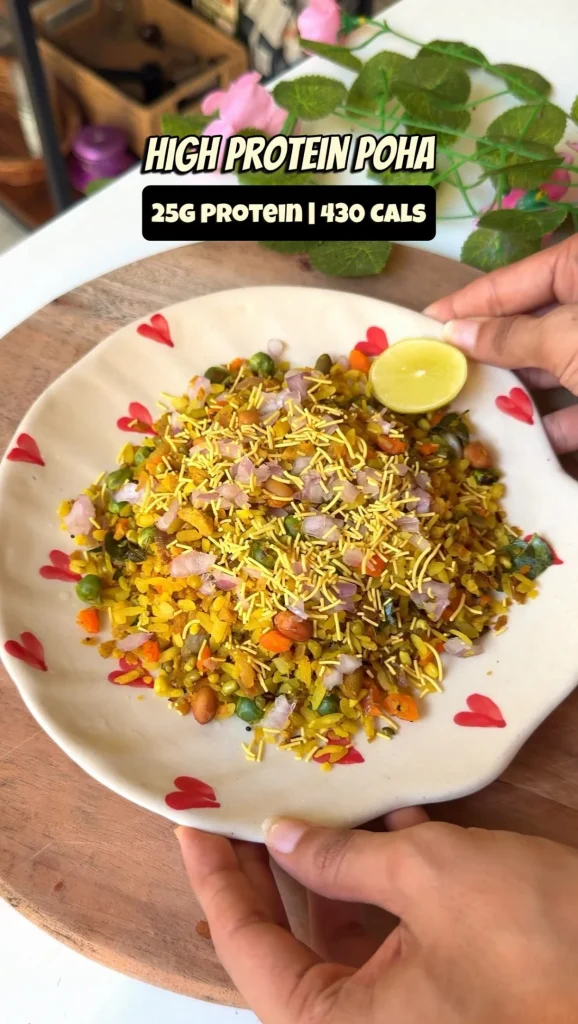
Breakfasts across households often look similar, whether it is a bowl of cereal or a stuffed paratha. These meals can be carb-heavy. Excess carbohydrates, especially refined carbs , can cause blood sugar spikes, followed by energy crashes and cravings soon after. Frequent blood sugar spikes can also become a concern for heart health. So, what constitutes a heart-healthy breakfast, and what are its components?
The answer lies in which dishes you opt for, how you choose to prepare them and what you pair them with. Even familiar breakfast staples can get a healthy upgrade once a few simple changes are made. We asked Dr Mitesh B. Sharma, a cardiac surgeon and director of CTVS at Kailash Deepak Hospital, about what makes for a heart-healthy breakfast and why this meal matters. Here are some of the common doubts he answered for us: Eating healthily does not mean abandoning your desi staples like poha, paratha and idli. Dr Sharma noted that these are good, healthy options, but they are only healthy when they are prepared in a healthy manner. “We should not add extra salt, extra fried items or extra pickles, or prepare them by deep frying. For idli and dosa, we can use healthy cereals like ragi or millets, which are rich in calcium and magnesium. The cardiac surgeon also suggested oats with curd or yoghurt as an option. Be careful with granola and cornflakes, as some varieties can contain high amounts of sugar, fat, or sodium. Try to limit muffins, pancakes, and waffles, as well as canned fruit juices, as they can be very high in sugar. The surgeon recommended whole fruits for breakfast. Also, be careful of high-sugar smoothies and cream-rich pastries. Now, let’s see how you can make your breakfast healthier. Dr Sharma suggested adding dalia with nuts, flax seeds, chia seeds, and Greek yoghurt to increase your fibre and protein intake. Avoid deep-fried meats and red meats. You may think they help to increase your protein intake, but they are too heavy for breakfast. In general, the surgeon recommended keeping salt in check and including whole fruits, nuts, and Greek yoghurt. Note to readers: This article is for informational purposes only and not a substitute for professional medical advice. Always seek the advice of your doctor with any questions about a medical condition.
Protein cheela is also a healthy option,” he said. “When it comes to packaged foods, processed foods are high in sodium, so we should check the sodium content and whether the products are trans fat-free,” he said.
Next, the cooking techniques need to be scrutinised. Dr Sharma advised using minimal oil and avoiding excess starch and salt when cooking. He also recommended using nonstick pans, avoiding coconut and palm oils, and adding fresh vegetables wherever possible. Packaged foods can make breakfast easy to make, but you need to check the label; Dr Sharma urged people to look for sodium and trans fat rather than focusing only on flavours or taste.
