
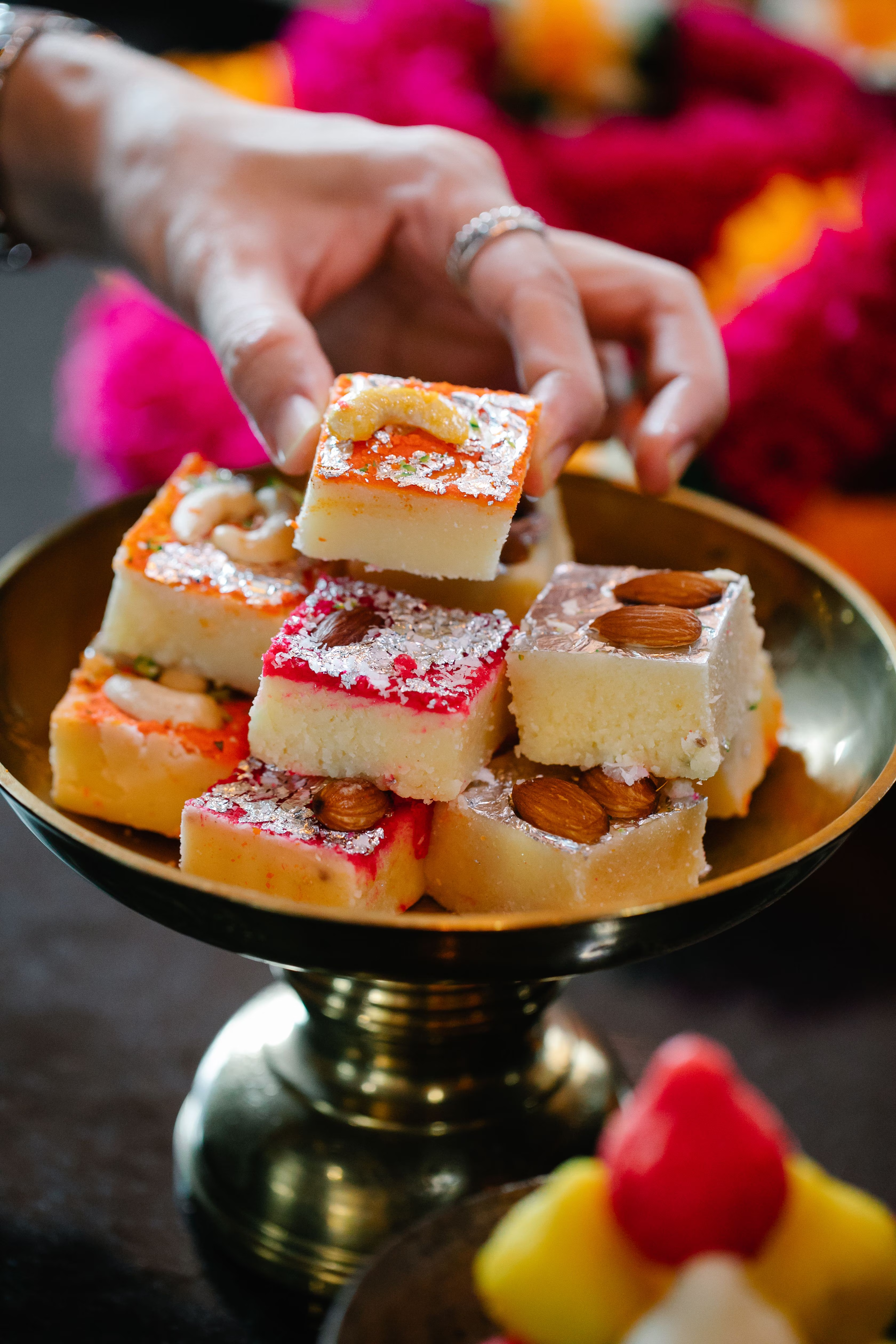
As Diwali approaches, boxes of kaju katli, laddoos and barfi become an integral part of festive celebrations. Amid the indulgence, an important health question often comes to mind: Does eating sugar feed cancer cells ? Should people avoid sweets altogether or eliminate sugar from their diet to reduce cancer risk? Understanding the relationship between sugar consumption and cancer is essential to making informed dietary choices, especially during the festive season.
“Cancer cells use glucose, but so do normal cells throughout the body. The fact that cancer cells consume glucose does not establish that eating sweets directly causes cancer or makes an existing tumour grow faster. This distinction matters during the festive season, when sweets may be accompanied by rich meals, frequent snacking and reduced physical activity. Dr Varshney emphasises that enjoying a piece of mithai at a family gathering is not equivalent to regularly consuming large quantities of sugary foods and beverages throughout the year.
Cancer is a complex disease influenced by multiple biological and environmental factors, and reducing it to a simple sugar-versus-cancer equation can create unnecessary fear around food,” says Dr Varshney.
A cancer diagnosis can make food choices particularly stressful, especially when patients come across advice claiming that eliminating sugar will starve a tumour. Dr Varshney clarifies that there is no reliable clinical evidence that cutting sugar out of the diet can make cancer disappear or replace established cancer treatment. This Diwali, Dr Varshney recommends a balanced approach rather than following strict food rules driven by cancer myths. Enjoy traditional sweets in reasonable portions, limit sugary beverages, include vegetables and protein in meals, stay physically active and avoid persistent overeating. People with diabetes or other medical conditions should also follow their individual dietary advice. “Cancer prevention is not about finding one ingredient to eliminate or one food to eat more of. It is about understanding established risk factors, maintaining sustainable lifestyle habits and seeking timely medical advice. Celebrate the festive season, enjoy food mindfully and make health decisions based on scientific evidence rather than fear,” concludes Dr Varshney.
