
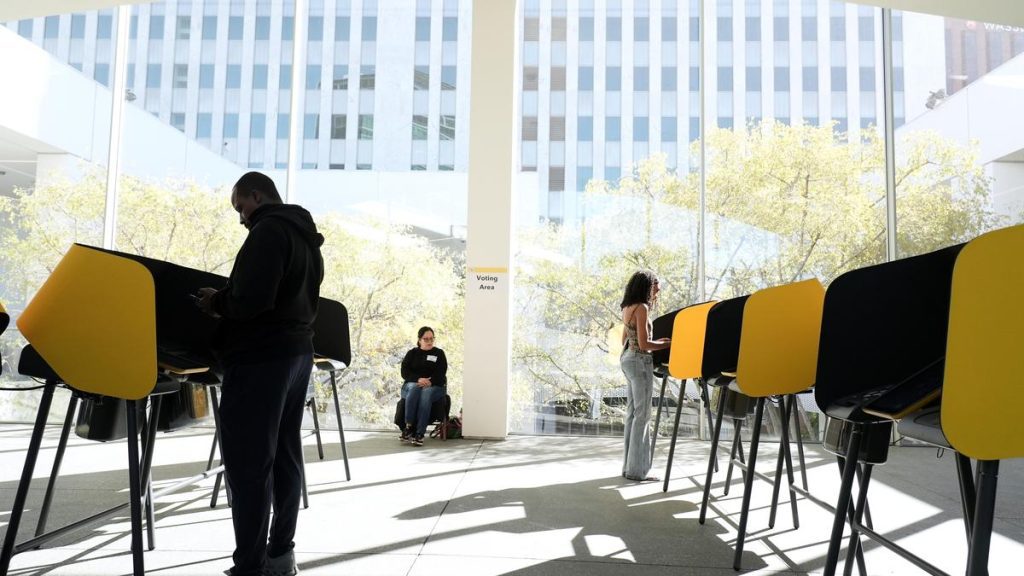
The Supreme Court on Monday (November 2, 2026) rejected a push for California to set aside thousands of mail ballots from people President Donald Trump’s administration claims are non-citizens, a decision that comes on the eve of the pivotal midterm elections.
The high court refused to intervene in a case involving 20,000 people the Republican administration flagged as likely noncitizens on the largely Democratic state’s voter rolls. Also on Monday (November 2, 2026) in Washington, another federal judge ruled against the administration’s efforts to make last-minute demands of California election officials, finding they violated the Constitution. In California, the Trump administration had asked the high court to set aside the challenged ballots until the voters’ citizenship status could be verified. The high court did not detail its reasoning, as is common in emergency decisions. During a hearing over whether to lift her own order forbidding the administration from threatening to prosecute election workers who let potentially illegal voters cast ballots, District Court Judge Trina Thompson drilled down on reports of widespread inaccuracies in the Justice Department’s data.
But officials there said that the list appeared to be filled with errors and that setting the ballots aside could effectively disenfranchise legal voters. “The Executive Branch has likely violated the Constitution’s Elections Clause, which commits authority over election rules to the states and Congress alone,” wrote Chief Judge James Boasberg.
The justices previously rejected Trump’s push to restrict mail ballots around the country in September, even though the justices have sided with his administration in a series of other emergency docket appeals. A district court judge previously denied the Justice Department’s request and warned that the demand could disenfranchise citizens in Tuesday’s midterm elections to determine control of Congress. The administration has faced a remarkable string of losses in court in its push, as well as criticism for waiting until a few weeks before the election to make its demands of California election officials with a list that even the Department of Justice admits is not entirely reliable.
