
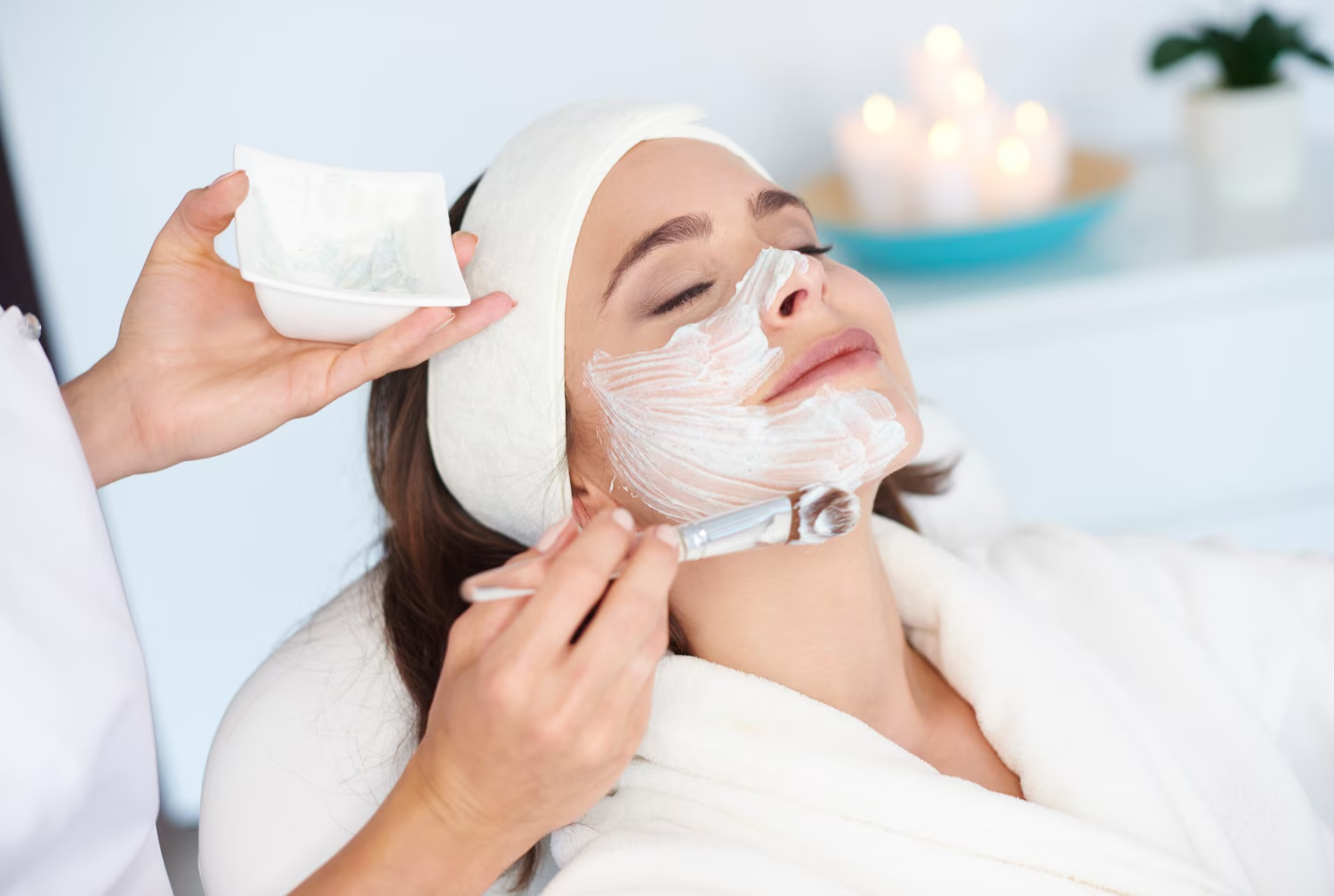
With Diwali just a week away, many people are rushing to book beauty appointments, try last-minute skin treatments , and buy new products to achieve that coveted festive glow. The promise of instant radiance is tempting, but are these last-minute beauty fixes really safe, or could they leave your skin irritated just in time for the celebrations?
We asked Dr Sonali Kohli, senior consultant, dermatology, Sir HN Reliance Foundation Hospital, Mumbai, to address common doubts about last-minute treatments and explain what you need to know to prevent skin irritation. She answered these questions for us:
How much time should people allow for treatments before the festivities?
The dermatologist revealed the potential consequences and why you need to allow time for these treatments, drawing on her own clinical observations. Skin treatments should not be regarded as a shortcut, as they involve a process that takes time. “Treatments that work by injuring the skin to renew it should be avoided immediately before a major event. These include deep chemical peels, lasers and CO2 resurfacing, microneedling, and fresh fillers in a visible area. These treatments all have a recovery period that cannot be fast-forwarded. I once had a bride undergo a strong peel three days before her sangeet, hoping to glow, but she spent those three days flaking instead. The rule is simple: if it peels or punctures, it is not an event-week treatment. The concept of last-minute dermatological treatments has been firmly dismissed by the doctor, as you need to think well in advance. You need to allow weeks rather than days before any major event. The time varies depending on the procedure. She shared the timeline for each treatment: “A mild peel needs two to three weeks, while lasers and microneedling require four to six weeks for redness to settle and collagen to behave. Fillers need two to three weeks, while Botox is the friendly exception, requiring about two weeks to take full effect with no downtime. On top of the healing time, you need a buffer week. You may also come across new skincare products and DIY hacks promising an instant glow, but the dermatologist warned that trying them just before an event could have disastrous consequences. She mentioned which ones you should avoid: “A new active ingredient is a stranger to your skin, and event week is the worst time for introductions. Kitchen remedies are the sneakiest. Lemon on the face, combined with sun exposure, can cause real burns and lasting pigmentation, called phytophotodermatitis. Baking soda strips the skin barrier, while toothpaste on a pimple can leave a chemical burn that outlasts the festival by months. Never try anything new on your face during the final week. For a healthy lifestyle glow, consistency matters more than last-minute skincare additions. Dr Kohli recommended sticking to a gentle daily routine and focusing on a healthy lifestyle.
Because skin has no undo button during event week, dr Kohli reasoned, “My one-line guide to patients is to add a buffer week on top of the healing time.
Because nothing dulls festive skin faster than tan and pigmentation, the dermatologist recommended, “Stay consistent with a gentle cleanser, a hydrating serum, a good moisturiser and daily sunscreen,. Sleep is the cheapest glow treatment there is. Ease off sugar and alcohol in the run-up, since both can cause next-day puffiness. And what about those who glow on festive days? The doctor explained that they rarely do anything dramatic in the final week. Instead, they start early and remain consistent with their skincare. Note to readers: This article is for informational purposes only and not a substitute for professional medical advice. Always seek the advice of your doctor with any questions about a medical condition.
