
There is something intriguing about the idea of a wellness sanctuary. Unlike a conventional holiday, where the focus is often on exploring a destination and ticking off experiences, a wellness retreat invites you to turn your attention inwards and take a pause from the usual rhythm of life.
Before the journey: What are you seeking?
But before I could experience the sanctuary, my journey towards understanding what I was seeking had already begun. During a pre-arrival consultation, Dr Anil asked me a seemingly simple question: “What are you seeking? For a moment, I was completely blank. What was I actually seeking? I knew a three-day trip wasn’t going to change my life, but I certainly had quite a few concerns. Was it stress, poor sleep, or a combination of everything? I decided to share it all. Dr Anil patiently listened and assured me that my itinerary would be planned around my concerns. A flight to Pune followed by an hour-long cab journey brings you to the sanctuary. As you leave behind the city’s bustle, the landscape changes to lush greenery, the shimmering Khadakwasla waters and the Sahyadri hills. Before entering, we were welcomed with an aura-cleansing ritual. Standing inside a large healing bowl as deep gong vibrations resonated through the space, I could almost feel the fatigue of the journey melting away. Chants, Gangajal blessings, vermillion tilaks and protective bracelets formed part of this distinctive welcome. At Swastik, guests are known as ‘seekers’, while a simple hello becomes Atmanaman, meaning ‘my divine soul greets yours’. Even everyday interactions reflect the sanctuary’s philosophy. From millet-based breakfasts and savoury lentil pancakes to comforting soups, wholesome Indian meals and interesting desserts, there is plenty of variety. Another lovely detail is the short prayer before meals, a simple ritual that encourages you to pause and appreciate what’s on your plate. My first day began with the welcome and consultation sessions, followed by Sonorium. This sound-healing space uses meditative soundscapes and vibrations to create an immersive experience. The idea of simply pausing and listening felt quite different from the usual ways I spend my time. The afternoon moved between Ninadika Halotherapy and Arogyam Ayuvihar, introducing me to some of the sanctuary’s alternative wellness experiences. Later came another Swastik Swagat session, followed by Ayuvihar and Dhyan Vihar. The day eventually wound down with Swastik Nidra. After diagnostics, the schedule took me to a Lomi Lomi massage, followed by breathwork. The rest of the morning and afternoon brought me back to Sonorium and halotherapy. But what I appreciated was that the programme wasn’t entirely serious or meditative. Bollywood dance in the afternoon added a playful change of pace, reminding me that wellness needn’t always be about silence and stillness. The day ended with Om meditation. By the final morning, I was more familiar with the sanctuary’s rhythm. The day began with therapeutic yoga, followed by aerial yoga. Later came a Balinese massage and a Ganji turmeric consultation, followed by another Sonorium session and my final consultation before departure. Three days may seem like a short time for a wellness retreat, but the programme offered a glimpse into how different practices can be brought together in a personalised routine. Beyond my schedule, the sanctuary also has Ayurvedic treatment rooms, naturopathy centres, hydrotherapy facilities and hot-and-cold immersion pools. Traditional practices such as sunrise yoga and Agnihotra, along with philosophy sessions, add another dimension to the experience. What sets Swastik apart is its focus on regenerative wellbeing. Bringing together Ayurveda, naturopathy, yoga, meditation , mindful nutrition and modern diagnostics, the sanctuary aims to support the body’s natural capacity for restoration and renewal. The philosophy looks beyond individual therapies, placing equal importance on everyday habits such as eating, sleeping, movement and managing stress. Looking back, what made my experience at Swastik Wellness Sanctuary special wasn’t the number of therapies I tried or activities I squeezed into three days. It was the opportunity to slow down, reconnect with myself and pay attention to things I often overlook in the rush of everyday life. Would three days change everything? Probably not. But perhaps that was never the point. Sometimes, a getaway isn’t about returning as a completely different person. It is about returning with a little more awareness, a few new perspectives and the intention to make small changes. And perhaps that is what makes Swastik Wellness Sanctuary a different kind of escape.
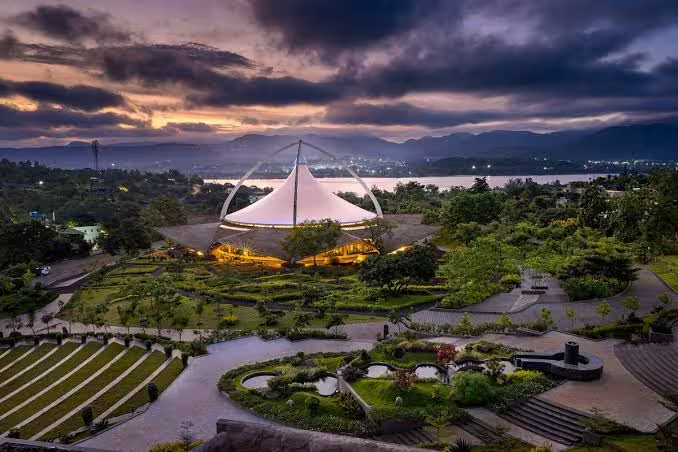
Was it the back pain I experienced at just 25, possibly from long hours of sitting? The second day began early with props yoga at 6:15 am. Dhyan Vihar houses a nearly 72-foot-high, column-free meditation hall, while Nakshatra Van is a zodiac-inspired garden featuring trees associated with different astrological signs. Wellness programmes at Swastik Wellness Sanctuary start at approximately ₹ 60,000 per day, with a minimum stay of three nights. This article was produced following a 2-night hosted stay at Swastik Wellness Sanctuary upon ditorial invitation.
I recently got the opportunity to experience this at Swastik Wellness Sanctuary, spread across 51 acres in the picturesque Peacock Valley at Khadakwasla, on the outskirts of Pune. I arrived with my usual holiday mindset, curious about what the next three days would bring, but little did I know that this getaway would introduce me to a rather different way of experiencing a vacation. (Also read: Step inside a 250-year-old fort in Maheshwar where Rani Ahilyabai Holkar lived, ruled and left her legacy ) After settling in, I had my consultation with Dr Jagdish. I entered the room expecting another medical discussion that would determine my treatments for the next two days. What followed was quite unexpected. For nearly an hour, we spoke about everything from my mental well-being and daily routine to stress, sleep and lifestyle habits. It was much more than discussing physical discomfort. The conversation encouraged me to look at my concerns more holistically rather than treating each one in isolation. Based on individual consultations, the sanctuary creates a personalised Dinacharya, a schedule of therapies, movement sessions and wellness practices. One of the first things that caught my attention at Swastik was its architecture. Unlike an ordinary luxury resort, it feels almost like a fairytale village tucked away in the hills, with Hobbit-inspired cottages, rolling green mounds and winding pathways. Designed around the five elements—earth, water, fire, air and space—the property is divided into distinct areas called vihars. My favourite has to be the guhas at Sukh Vihar. Built into the hillside beneath green mounds, these cave-like cottages feature curved walls, earthy interiors and cosy corners that make them feel like little hideaways. Private sit-outs and thoughtful touches, such as handwritten gratitude notes, add to their charm. The magic continues outdoors, with greenery and gardens blending into the architecture. I also came across the Sushumna Sthambh, inspired by the body’s energy centres, and the Anant Mandal reflexology path, where you can walk barefoot across textured surfaces and experience warm and cold water. For me, food is an important part of any travel experience, and Swastik makes sure that wellness doesn’t mean compromising on the joy of eating. Its two dining spaces, Rasa and Sama, serve menus inspired by Ayurvedic and naturopathic principles. What I particularly liked was the thoughtful menu format. Instead of an overwhelming spread, the selection changes daily, with two choices for each course of the five-course lunch. The food focuses on seasonal ingredients, fresh preparations and alternatives such as jaggery and honey instead of refined sugar.
