
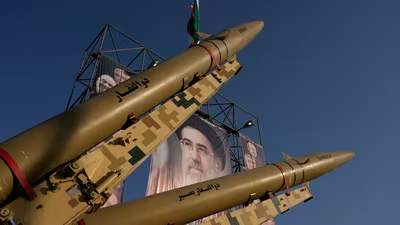
Iran has allegedly built a vast network of more than 5,000 secret military-linked agencies to procure weapons-related equipment explosives and heavy-duty vehicles from across the world, all while bypassing the United States naval blockade and western sanctions, a news agency Reuters investigation has revealed.
This network has facilitated imports worth $2 billion since January 2025, helping Tehran access materials critical for its missile and drone programmes even as its military infrastructure came under attack during the ongoing war with America, according to the report.
The financial footprints of the network were present on bills of lading and other shipping data dating back to 2016. The IRGC links emerged as phone numbers registered to 91 agencies also appeared in Bank Sepah records linked to Islamic Guard personnel. The agencies list their incorporation date as February 11, 1979, the day former Supreme Leader Ayatollah Khomeini came to power in Iran after overthrowing monarchy. However, most of these were established in 2013, when Iran was struggling with international sanctions which led to a plunge in its crude exports and currency.
This implies that the trustees could have used cash held in foreign banks, bought goods, and shipped them home, Reuters reported. The findings come against the backdrop of the conflict in West Asia, which began with US-Israeli strikes on Iran in February this year. The US imposed a naval blockade aimed at restricting Iran’s maritime trade and limiting its ability to export oil and access supplies. The investigation by Reuters, which is based on thousands of Iranian bank and government records, corporate filings and import data, allegedly exposes how foreign intermediaries and shell companies helped Iran sustain its military supply chain. Some of these were linked to the Islamic Revolutionary Guard Corps and to business conglomerates known as bonyads, which are controlled by Iran’s elite. These agencies have been identified for the first time by Reuters. Among the significant findings of the report is that in these imports, money rarely crosses borders, thus bypassing sanctions.
For 97% of the shipments reviewed by Reuters, the transactions were settled “without currency transfer”, according to import data.
Iran retaliated with attacks on US bases and interests in Gulf countries, and subsequently blocked navigation through Strait of Hormuz, a key waterway for energy imports before the war.
